
So Why Science Fiction?
A year into Substack, it feels like it’s time to talk about why this genre is my favorite.

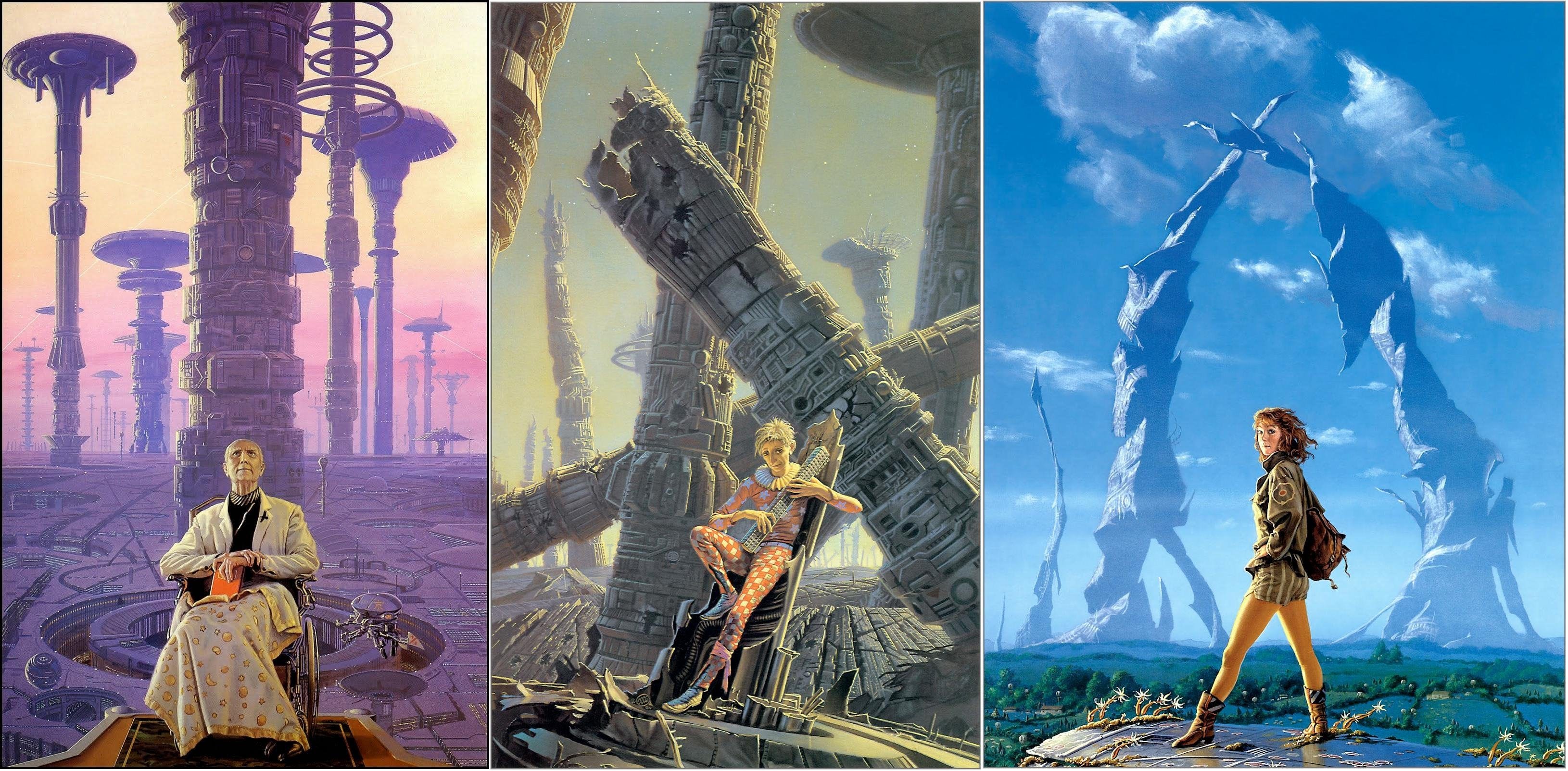
It’s hard to remember exactly what caused this deep enjoyment of science fiction for me. It wasn’t always as strong as it currently is. Some might even laugh at my shame list of science fiction I haven’t consumed considering I say I’m such a big fan of the genre, but I do my best to shrug that off. I don’t need approval and to have completed a specific list, because that’s not how life works. If we’re speaking specifically of my love for the genre though, it was somewhere in my childhood.
I can’t really take all the credit personally, because my mother played a bit of an influence in this realm for me. I chose to embrace it, but it was presented to me at an early age. She grew up watching Star Trek, and often mentioned being awed seeing Tatooine on the big screen when Luke stares out into the setting suns. She also loved the Robinson family, lost among the stars with a robot and troublesome doctor. These are the things that I remember as a child.
We had almost every episode of both Kirk and Picard’s Star Trek’s recorded on VHS. Many of Lost in Space as well. It was a marvel as a child. I remember how cool it was when we got the special edition Star Wars with the extra CGI scenes on VHS, and felt the awe of something new in something so old. I laugh now at how bad it actually was compared to where we are now, but it was so neat keeping track of what was and wasn’t in the original. My imagination was teased out.
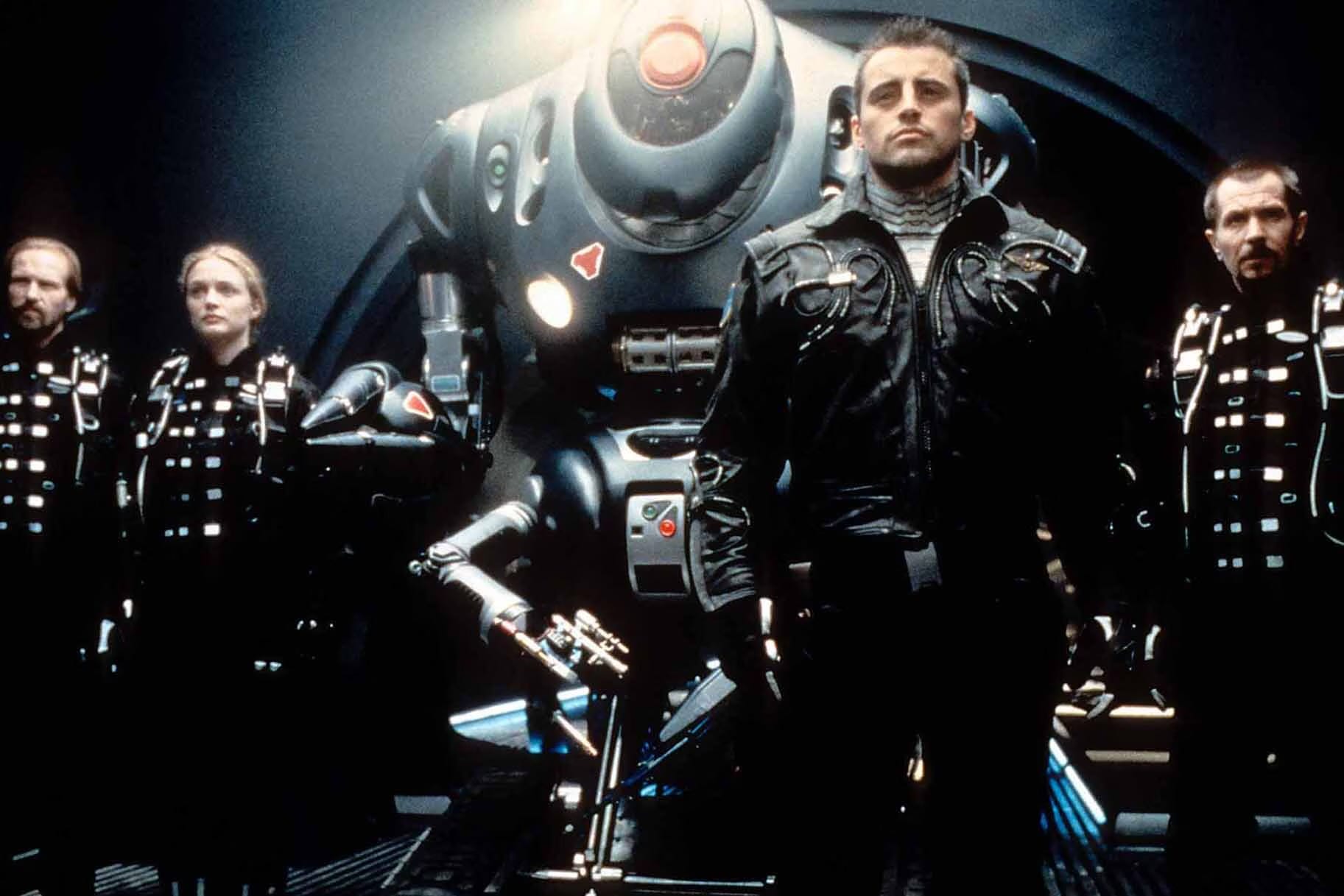
The groundwork was laid as I wrestled with how cool it was that things in those universes worked together after Deep Space Nine came out. My mind was blown when Kirk and Picard were put together in the same movie. The Star Wars prequels messed with my brain knowing where the story would end up. I didn’t know Matt Leblanc as Joey, he was Captain Don West in the Lost in Space movie. I fell in love with some of the possibilities.
As with every teenager, I became too cool for it through high school. I never fully shook it, but I wasn’t that confident guy who felt so good about myself I didn’t feel the need to hide my nerdiness. I had enough of it with my love of video games and general awkwardness. I didn’t want to be the guy who knew everything about these science fiction shows. So it waned for a while, never completely leaving, but it waned.
By the time I was out of college and had given up on some of the dreams I had and the need to try to stay “cool”, it came back. I don’t think there was anything that really stood out that pushed me back into it, but I think I just genially love the idea of specifically space travel. Theres something about dreaming about things that might be able to be done, somewhat grounded in reality. It’s not a secret that there are a lot of imagined things from Star Trek that we eventually invented. There’s also so much about space we don’t know about. Obviously there at this point doesn’t appear to be as many worlds we could inhabit, but we have no way to count all the stars yet.
I think there’s also something specifically interesting about living in these worlds in our heads. I’ve only more recently come to the series, but the story set up in Dune or Foundation are not terribly far fetched conclusions for humanity to find itself struggling with given the settings dreamed up by the authors. That empires would try to hold an entire galaxy in its hands by whatever means necessary, often to the detriment of its citizens, is not a new problem. But the way in which it plays out because of the setting is intriguing. It’s also a great way to approach current issues plaguing humanity. It’s the greatest what if, because it’s often based on some theory about the real world. What if we found a planet with a spice drug that allowed us to complete interstellar travel with ease, but which also creates tension based on who has the control of it? What if we found a way to mathematically predict the future ebbs and curves of our species development and found ways to keep a dying empire from dragging us to the dark ages for a thousand years and shortened it to a few hundred? How would these things play out?
The world building draws me as much as anything. The larger the franchise and its greater tapestry of story shared among large swaths of time and characters makes it all the more intriguing. The idea of being able to flesh out the story of Andor and seeing the world of Star Wars through the espionage and people in the empire who were capable (not looking like bumbling idiots because our chief heroes will best them) lenses is remarkable when done well. It breathes life into all the other stories because it grounds the world with something more real.
There are a couple images that very vividly stick with me, and I think have to mean something about how much I love to dream in these worlds. One from my childhood, and one much more modern. The one from my childhood is from the opening credits of what is still my least favorite Star Trek show, Voyager. And before anyone gets huffy, it’s simply the worst written front to back series. Seriously, the decision to place them so far out but not actually play up the drama on the ship between the two crews, the ship always looking pristine? The captain’s character literally bouncing between the strictest enforcement of rules to not caring about the rulebook changing at the whim of the wind? There was so much more potential for that show’s greatness that was wasted. Anyway, there’s a shot in the opening credits that has forever tickled my imagination. The ship flies through a nebula, clouds rolling off the ship. I want to believe that somewhere that would be able to be done, even though I think it isn’t something that would actually be that visible up close. Maybe something out there would look like that. It’s one of those images that sticks in my head. The entire credits scene for that show is very well made, and even though I don’t see that being realistic it definitely has filled my imagination.
The other image is from Dune part 1. There is at least one shot (maybe more, I can’t remember and must not be great describing it to search in google cause it took me a while) where all the ships are sitting below the planet.
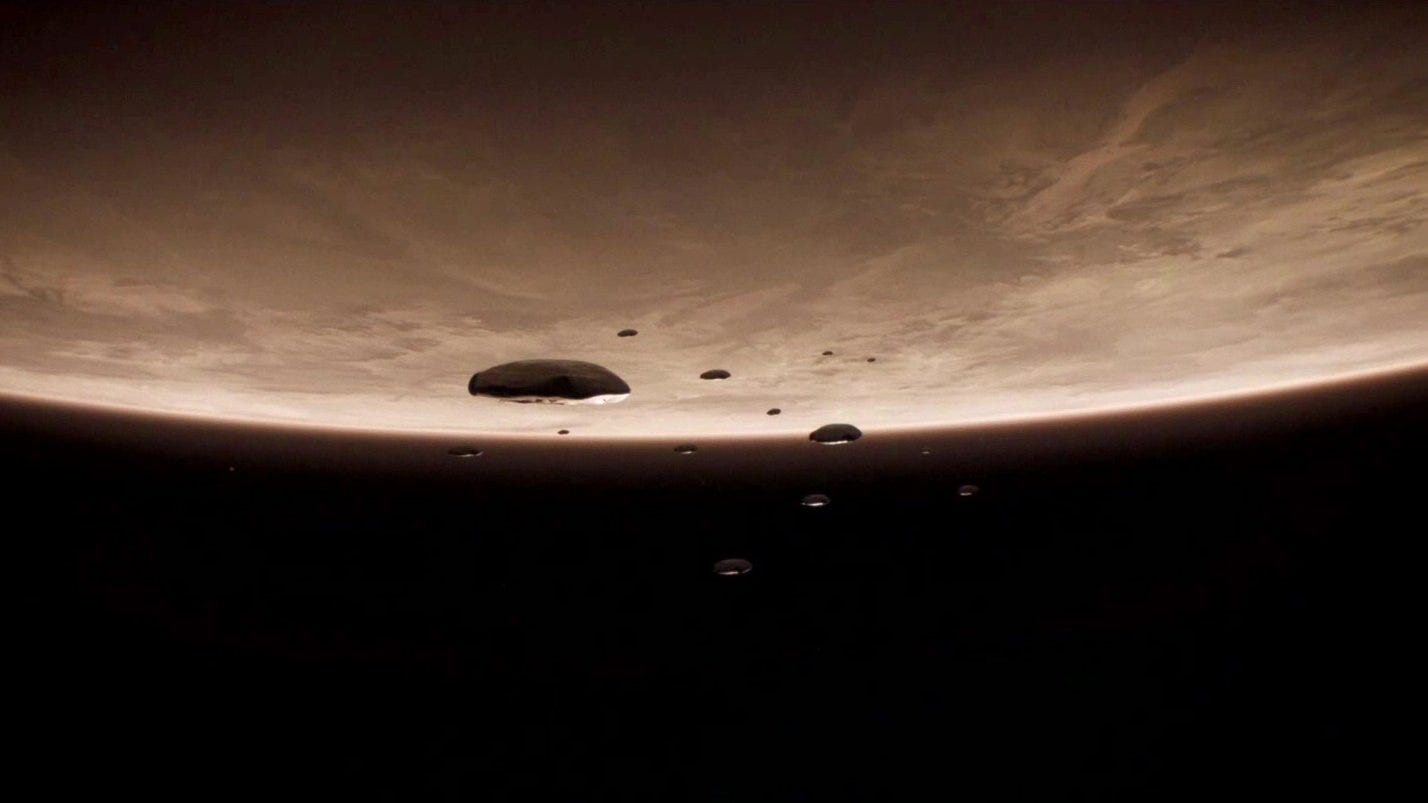
This has been something I’ve always wondered about, as memory hadn’t remembered seeing a ship on the bottom of the planet. Obviously this doesn’t matter in the grand scheme of things because they’d have to flip around on an approach which is probably why most show ships orbiting the top of planets. But I love this visualization. Theres so much about this that just stirs my mind and fills the imagination of what could be.
There’s so much more I could say, about the worlds built, and just the beautiful imagery of space. It doesn’t take much to fall in love with the pictures from Webb coming in to leave one in awe of what is out there. Thats just the tip of the iceberg too, as there’s plenty of science fiction that is centered around ideas right here that don’t need to leave the planet. Robots, AI, human bioengineering just to name a few. There are so many ways to look at science fiction and too often it’s been brushed off as just nerdy but often the good science fiction will really challenge and look at things about humanity, even if it’s something that can be lost on its biggest fans, myself included. I want my future books to speak to something, and I don’t know if I will nail what I’m going for, especially out of the gates. But I’m hopeful that even if the short stories I’ve posted in the first year haven’t been too deep, that even those will continue to speak more about the world around us. That it will speak about the human condition. Even if everyone doesn’t see it and only sees entertaining settings, I want to leave a legacy like some of the greats before me. If it’s just adventure stories that people enjoy that will be satisfying too, but I’ve noticed that often the greatest stories share commentary on life. Maybe that’s a big part of what drew me back to the genre as I grew up.